Published April 26, 2026
Beat the Texas Heat from the Top Down: How Proper Attic Ventilation Lowers Your Energy Bills
Living in Houston, we all know the feeling. The summer sun beats down, the A/C works overtime, and the energy bills just keep climbing. Y'all might be surprised to learn that one of the biggest culprits for a hot, expensive home isn't your windows or your insulation—it's your attic. A poorly ventilated attic can become a super-heated oven sitting on top of your house, forcing your cooling system into a battle it can't win.
Proper attic ventilation is a critical, yet often overlooked, part of a healthy and efficient roofing system. It's not just about letting air move; it's about creating a strategic system that protects your home, extends the life of your roof, and provides significant savings on your cooling costs. In this guide, we'll explore why attic ventilation is so important for Texas homeowners and how to tell if yours is up to the task.
Why a Hot Attic is a Big Problem
During a sweltering Texas summer day, the temperature on your roof's surface can soar to over 150 degrees. Without a way to escape, that intense heat radiates downward, getting trapped in your attic. This trapped heat can reach temperatures of 140 degrees or more, creating a massive heat reservoir that directly impacts your home's comfort and your wallet.
Here's what happens when your attic can't breathe:
- Sky-High Energy Bills: The hot attic ceiling radiates heat into your living spaces below. This forces your air conditioning system to run longer and harder just to maintain a comfortable temperature, leading to a noticeable spike in your electricity bills. This addresses a major consumer priority: fair pricing and long-term value.
- Increased Wear on Your HVAC System: An A/C unit that is constantly running is under constant strain. This can lead to more frequent breakdowns, costly repairs, and a shorter overall lifespan for one of your home's most expensive appliances.
- Damage to Your Roof Structure: Extreme, prolonged heat can literally bake your roof from the inside out. It can cause the roof decking to warp and crack, and it accelerates the aging process of your shingles, making them brittle and prone to failure. This directly impacts the durability and longevity of your roof—a key concern for homeowners.
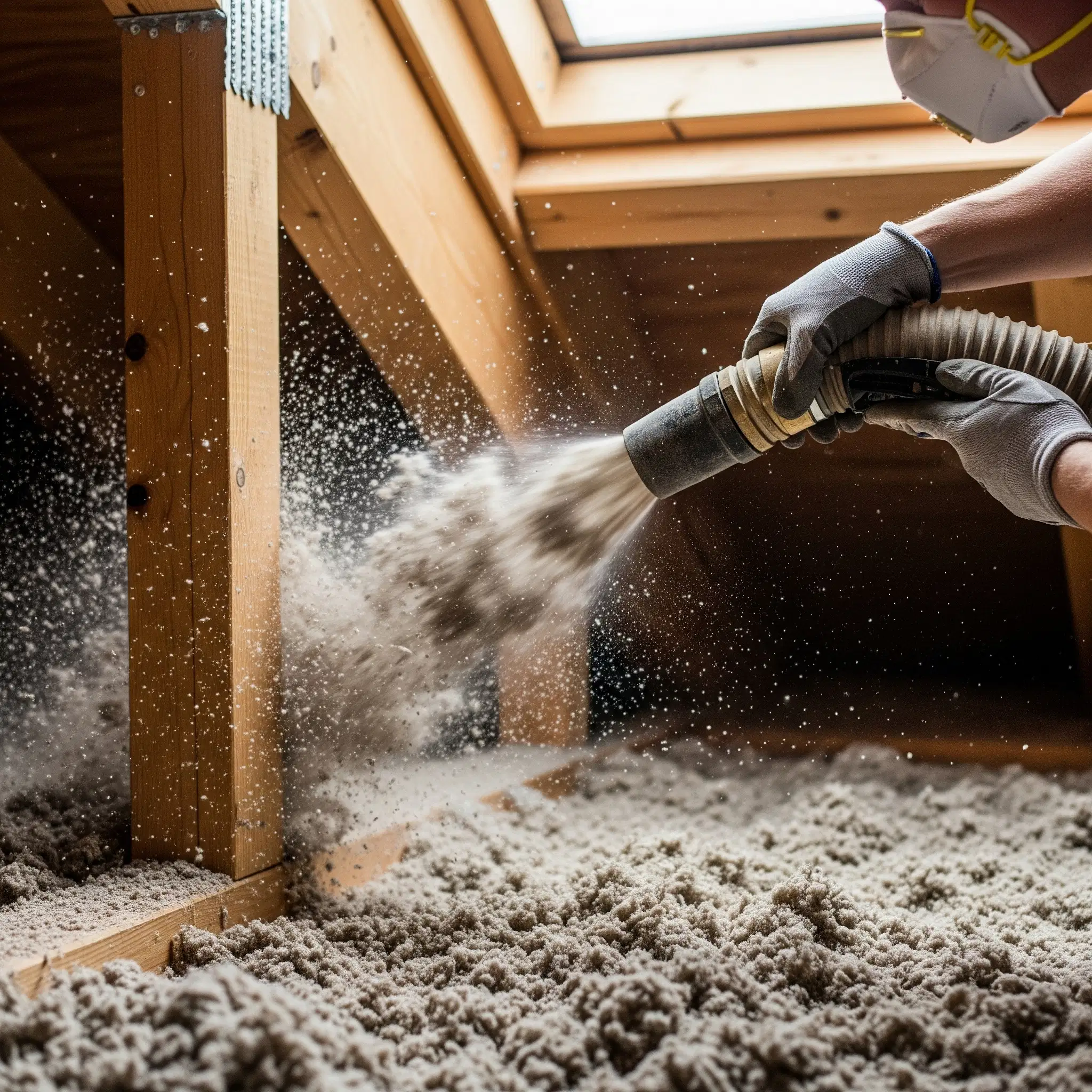
- Moisture Buildup: In cooler months, warm, moist air from inside your home can rise into the attic. Without proper ventilation to move it out, this moisture can condense on the underside of the roof decking, leading to mold, mildew, and wood rot. A proper ventilation system is essential for year-round protection.
Telltale Signs of Poor Attic Ventilation
How can you tell if your attic is struggling to breathe? You don't necessarily need to climb up there to find out. Your home often provides clues that something is wrong. Here are a few common signs of poor attic ventilation:
- Your A/C Never Shuts Off: If your cooling system seems to run constantly on hot days but your home still feels warm or stuffy, it's a strong indicator that it's fighting a losing battle against a hot attic.
- Noticeably Hot Ceilings: Carefully touch the ceiling in your upstairs rooms on a sunny afternoon. If it feels warm to the touch, that heat is likely radiating down from an overheated attic space.
- Curling or Cracking Shingles: When shingles get too hot from both the sun above and the trapped attic heat below, they can begin to lose their protective granules, curl at the edges, and become brittle. This premature aging is a clear sign your roof is suffering.
- Dampness or Frost in the Attic: If you do venture into your attic, look for signs of moisture. Damp insulation, water stains on the wood, or frost on the underside of the roof deck in winter are all red flags that moisture is being trapped.
If you notice any of these symptoms, it's a good idea to have a professional take a look. A thorough roof inspection can assess not only the condition of your shingles but also the effectiveness of your ventilation system.
Creating a Balanced and Effective Ventilation System
Effective attic ventilation isn't about just adding a vent or two; it's about creating a balanced system that promotes continuous airflow. The goal is to follow a simple principle of physics: hot air rises. A balanced system uses this to its advantage.
- Intake Vents: These are located at the lowest part of the roof, typically in the soffits (the underside of your roof's eaves). They allow cool, fresh air from outside to be drawn into the attic.
- Exhaust Vents: These are located at or near the highest point of the roof. As the hot air in the attic rises, these vents allow it to escape. Common types include ridge vents (which run along the entire peak of the roof), turbine vents, and box vents.
For the system to work, the amount of intake ventilation must be equal to or greater than the amount of exhaust ventilation. This balance creates a smooth, continuous flow that pulls cool air in and pushes hot, moist air out. An imbalanced system can be ineffective or, in some cases, even pull conditioned air out of your home.
Getting this balance right is crucial, and it's why a professional assessment is so important. The perfect time to address and install a modern, balanced ventilation system is during a roof replacement. Integrating it from the start ensures your entire roofing system works together to provide maximum protection and efficiency for years to come.
Protect Your Investment with Texashield LLC
Your roof is more than just shingles; it's a complete system designed to protect your home, and proper attic ventilation is a vital part of that system. In the relentless Texas heat, ensuring your attic can breathe is one of the smartest investments you can make for your home's comfort, energy efficiency, and the long-term health of your roof.
Don't let a hot attic drive up your energy bills and shorten the life of your roof. If you're concerned about your home's ventilation or are fixin' to start a roofing project, the team at Texashield LLC is here to help. We provide comprehensive roof inspections, repairs, and full roof replacements for homeowners throughout the Houston area. We'll ensure your entire system is designed for maximum durability and efficiency. Contact us today to schedule a free consultation and find out how we can make your home more comfortable and energy-efficient.
-
713-589-6486
-
info@texashield.com
-
Mon - Fri 8:00am - 6:00pm
Sat 9:00am - 12:00pm
Sun Closed
Don't just restore your roof, get a guaranteed shield and a stress-free process. Experience the difference with Houston's trusted roofing experts.
Copyright © 2026 Texashield LLC